A tribal freedom fighter whose courage became history

Khajya Naik: Voice of Resistance, Symbol of Freedom

A fearless tribal leader whose courage and sacrifice shaped the fight against injustice and colonial rule.Honoring the life and struggle of a revolutionary leader who stood for dignity, land, and freedomA timeless story of resistance and leadership that continues to inspire generations

Explore More

quick links

About

Explore the life, struggle, leadership, and enduring legacy of Khajya Naik.

Legacy

Honoring the enduring legacy of Khajya Naik’s courage and sacrifice.

Timeline

Tracing key moments in Khajya Naik’s life, resistance, and legacy.

Contribution

Key contributions of Khajya Naik to tribal resistance and freedom.

Gallery

Visual journey through Khajya Naik’s life, struggle, and historical legacy.

Historic Leader

Khajya Naik

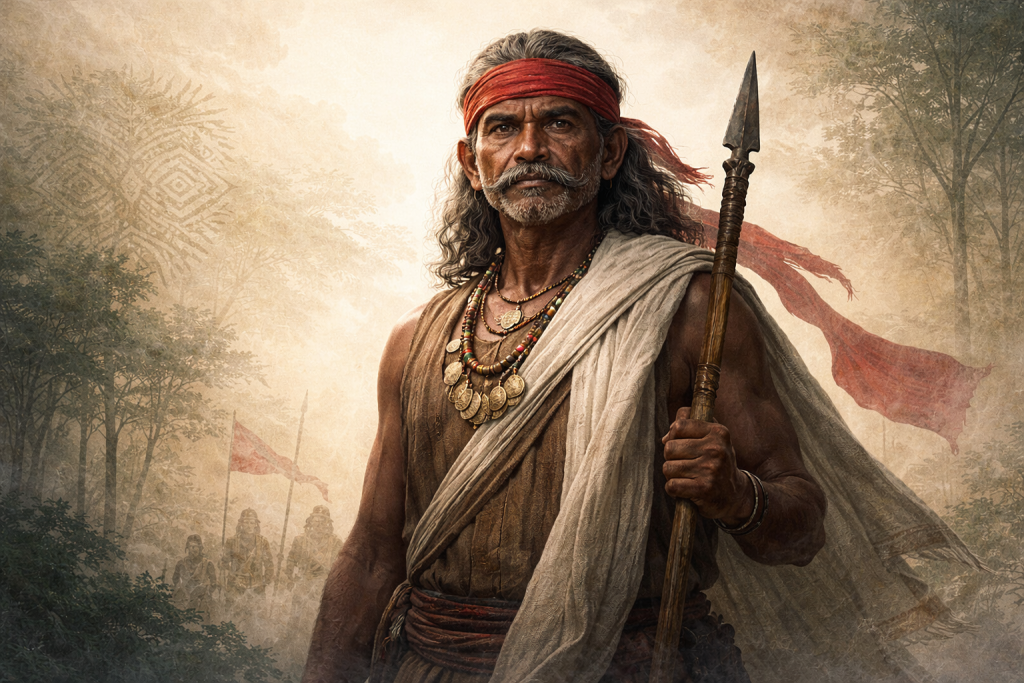
Khajya Naik was a courageous tribal leader who became a symbol of resistance against oppression and colonial injustice. Born into a community deeply connected to its land and traditions, he dedicated his life to protecting the rights, identity, and dignity of his people. Through unwavering determination, strategic leadership, and personal sacrifice, he inspired those around him to stand firm against exploitation and unfair rule. His actions not only challenged the powers of his time but also reinforced the strength and resilience of tribal communities.

Beyond his role in organized resistance, Khajya Naik’s legacy lies in his enduring influence on cultural preservation and social justice. Today, he is remembered as a visionary leader whose life embodied courage, leadership, and selflessness. His story continues to inspire generations, serving as a reminder of the power of conviction, the importance of heritage, and the unyielding pursuit of freedom and justice.


Lasting Impact

Key Highlights

Tribal Leadership

Khajya Naik led his community with courage and vision, protecting their rights, traditions, and identity against external oppression.

Resistance Against Injustice

He organized strategic resistance against colonial authorities, symbolizing defiance and inspiring future generations of tribal activists.

Cultural Preservation

He emphasized the importance of tribal customs, language, and heritage, ensuring that traditions were maintained and passed on.

Enduring Inspiration

Khajya Naik’s personal sacrifices for the community’s well-being cemented his place as a revered historical figure.

Scroll to Top

Tribal Leadership

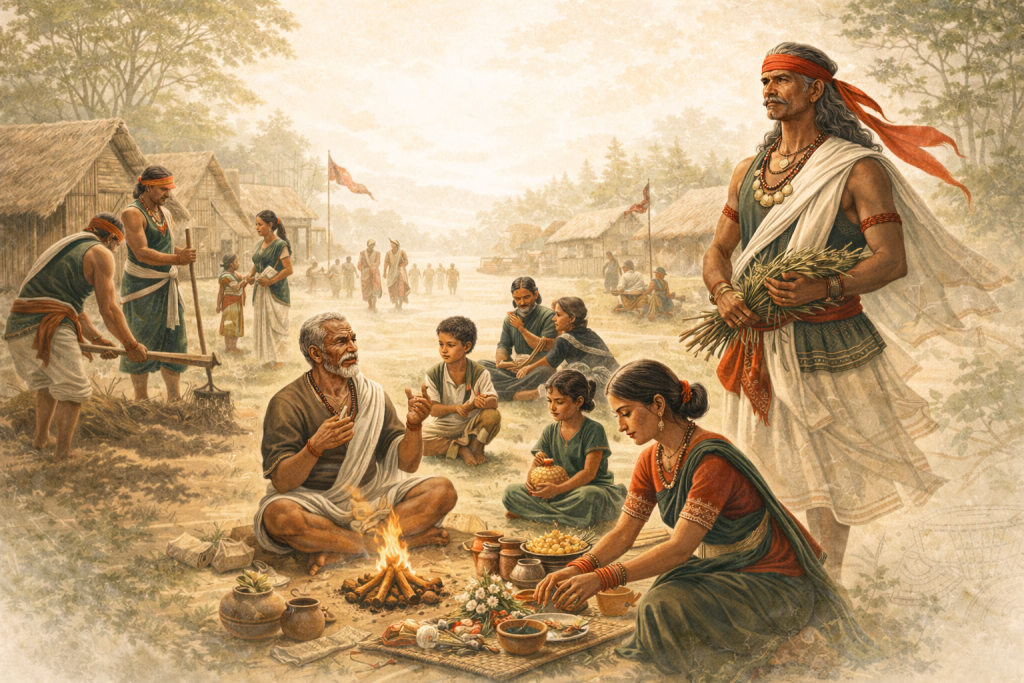
Khajya Naik emerged as a natural leader within his community during a period marked by exploitation, uncertainty, and external control. His leadership was deeply rooted in tribal values such as collective responsibility, respect for elders, and harmony with nature. Rather than ruling through authority alone, he guided his people through consensus and moral strength. Khajya Naik understood the social and economic challenges faced by his community and worked to protect their land, dignity, and way of life. By organizing people at the grassroots level, he created unity and confidence among those who had long been marginalized. His leadership strengthened community bonds and empowered individuals to believe in their collective strength, laying the foundation for organized resistance and self-determination.

Resistance Against Injustice

Khajya Naik became a prominent symbol of resistance against colonial injustice and exploitation. At a time when tribal communities were subjected to unfair taxation, forced labor, and loss of land, he stood firmly against oppressive authority. His resistance was not impulsive but grounded in purpose and strategic awareness. By mobilizing his community and encouraging collective action, he challenged systems that sought to silence tribal voices. His courage demonstrated that resistance was possible even in the face of overwhelming power. Khajya Naik’s defiance inspired others to rise against injustice and reject submission. His actions transformed fear into determination, making resistance a shared responsibility rather than an individual struggle.

Cultural Preservation

Khajya Naik recognized that the survival of his people depended not only on political resistance but also on preserving their cultural identity. He actively upheld tribal customs, rituals, oral traditions, and social values that defined community life. In an era when external forces attempted to erase indigenous cultures, his commitment to heritage became an act of resistance in itself. By promoting cultural continuity, he ensured that traditions were passed down through generations, strengthening social unity and pride. Cultural preservation under his influence reinforced identity, dignity, and self-respect among his people. His efforts safeguarded a way of life that remained deeply connected to the land, history, and collective memory of the community.

Enduring Inspiration

The legacy of Khajya Naik continues to inspire generations far beyond his lifetime. His life story represents courage, sacrifice, and unwavering commitment to justice. For modern movements advocating tribal rights and social equality, he remains a powerful symbol of leadership and resistance. His example teaches the importance of standing firm in one’s values, even under extreme pressure. Educational initiatives, cultural remembrance, and community narratives keep his memory alive, ensuring that his ideals remain relevant. Khajya Naik’s enduring influence serves as a reminder that meaningful change often begins at the grassroots level, driven by individuals who place community welfare above personal gain.