About

Formative Years

Early life

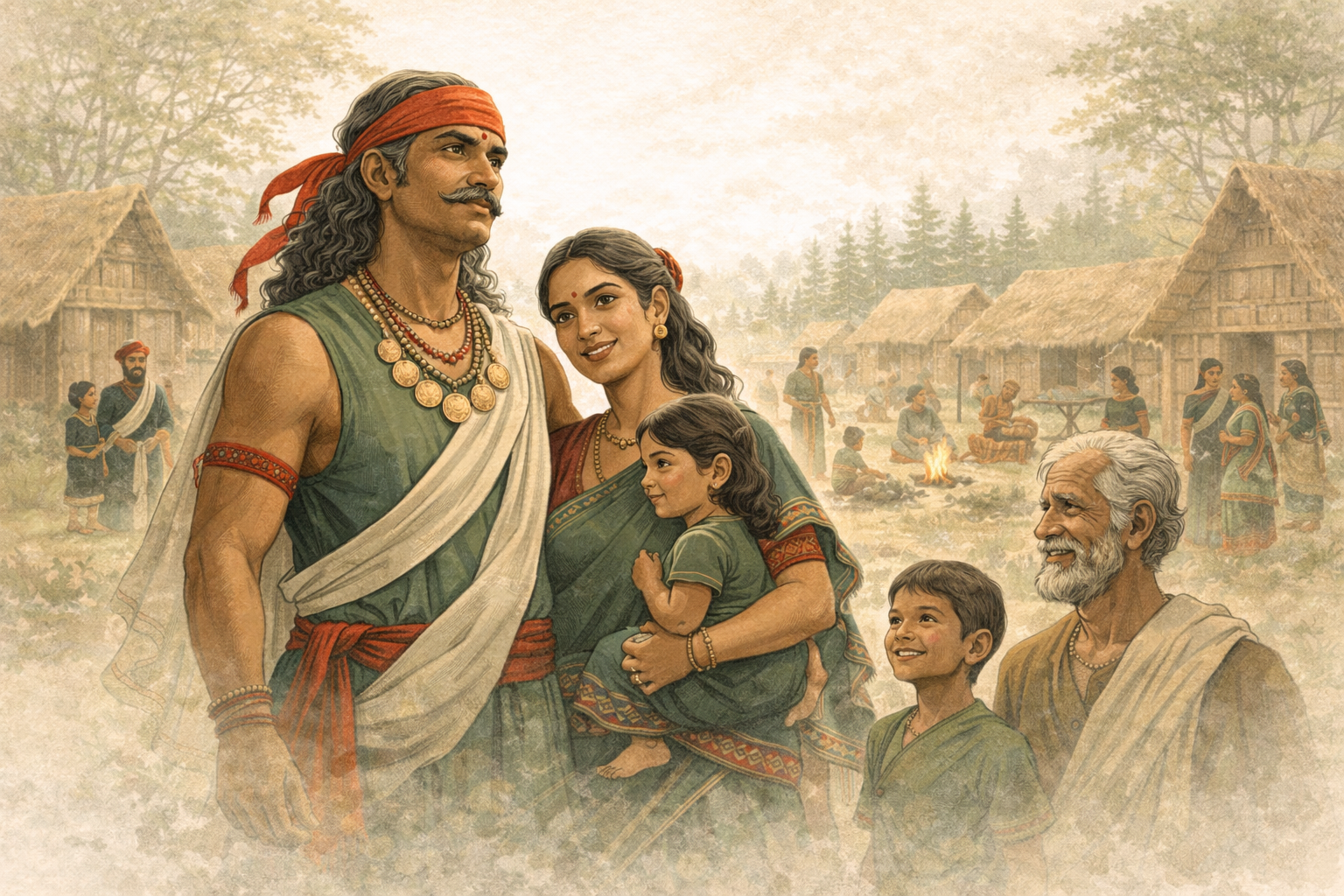
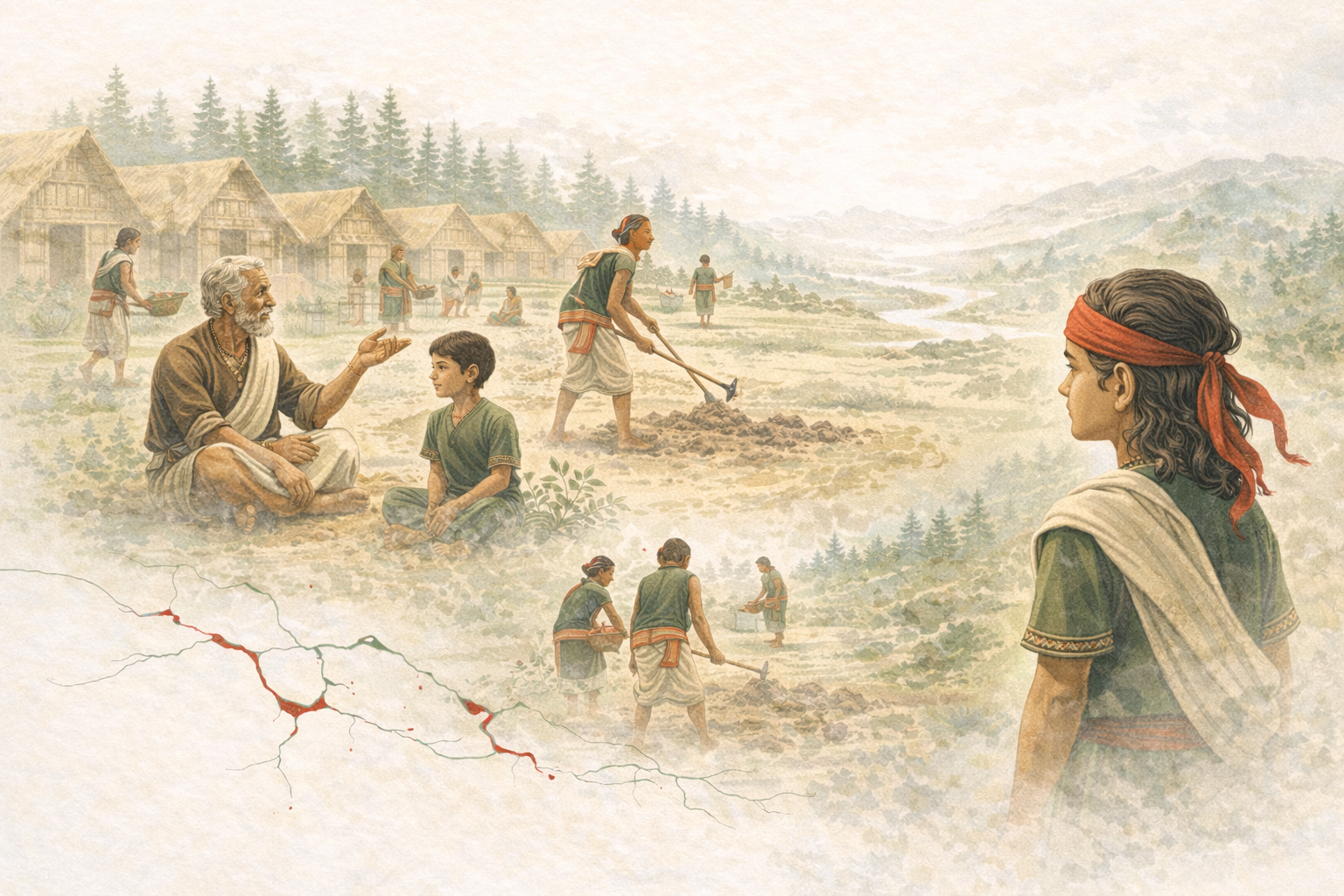
Khajya Naik was born into a tribal community deeply connected to land, nature, and collective traditions. From a young age, he observed the hardships faced by his people, including exploitation and social inequality. These early experiences shaped his sense of justice, resilience, and responsibility toward his community, laying the foundation for his future leadership.

Historical Context

Background

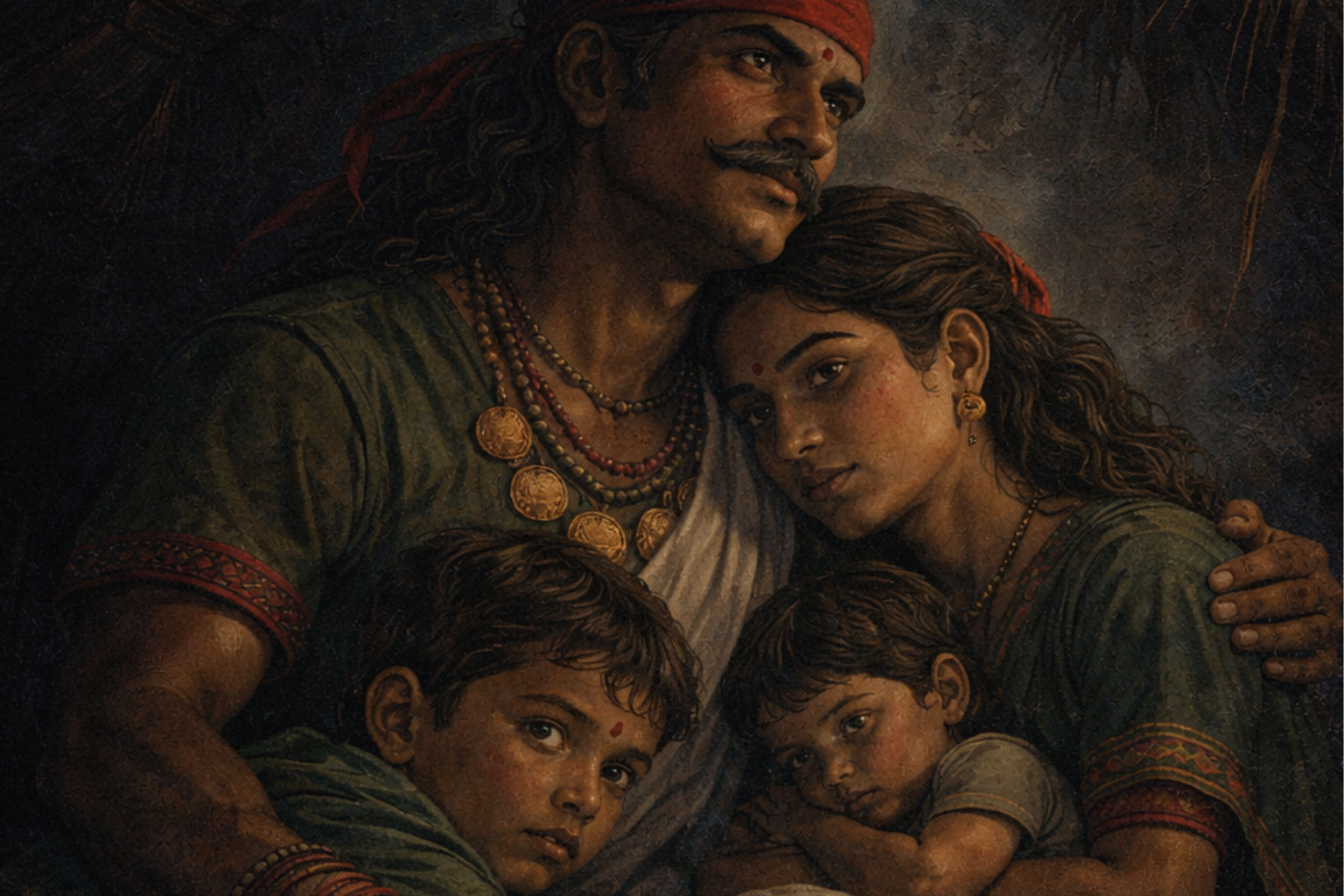
Khajya Naik lived during a period of colonial domination that severely affected tribal societies. Traditional systems, land rights, and cultural identities were under constant threat. This environment of oppression and resistance shaped his worldview and actions, pushing him to emerge as a leader committed to protecting tribal autonomy, dignity, and cultural survival.

Shared Heritage

Community Roots

Khajya Naik’s strength and leadership were deeply shaped by the community from which he emerged. Born into a close-knit tribal society, he grew up in an environment where land, culture, and collective responsibility were central to everyday life. The community functioned as an extended family, guided by shared traditions, oral history, and mutual support. These early influences instilled in him a strong sense of belonging, respect for elders, and commitment to communal welfare.

His connection to community roots also defined his approach to leadership. Khajya Naik did not act in isolation; his decisions reflected the collective voice and needs of his people. The struggles faced by the community—loss of land, cultural erosion, and social injustice—became personal motivations for resistance. Through this deep bond, he transformed shared suffering into collective strength, ensuring that his actions always reflected the values, dignity, and survival of his people.

Personal Values, Influences, and Upbringing

Moral Foundations

Core Values

Khajya Naik’s personal values were grounded in honesty, courage, and responsibility toward his community. He believed strongly in collective welfare over individual gain and upheld dignity, justice, and respect as guiding principles. These values shaped his decisions and actions throughout his life.

Influences

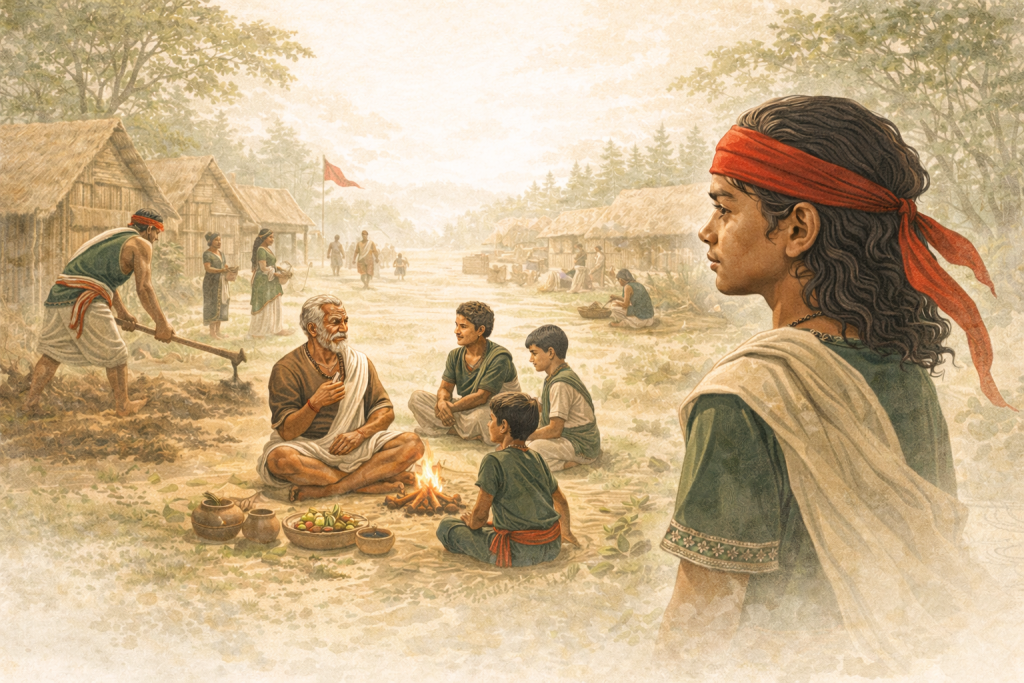
Elders, community leaders, and shared oral traditions played a crucial role in shaping Khajya Naik’s worldview. Stories of ancestral struggles, cultural resilience, and moral duty influenced his understanding of leadership and resistance, inspiring him to stand firmly against injustice.

Upbringing

Raised in a close-knit tribal environment, Khajya Naik learned the importance of unity, discipline, and cultural pride from an early age. His upbringing fostered resilience and awareness, preparing him to shoulder responsibility and emerge as a trusted leader for his people.

Scroll to Top